- 2.3
- Responsible for safety barriers
- EN 1317
- The standard the devices are tested and classed against
- Exam
- The certification exam is taken at Trafikverket
What separates a safety barrier from an obstacle is that it has been tested. A barrier has been tested at a given length, with given terminals and a given working width behind it, and it absorbs energy as intended only under those conditions. Cut short, installed too short or placed too close to what it protects, it does not work as intended.
What the responsibility covers
- Which types of safety device exist and what each is intended for.
- Testing, CE marking and classification to EN 1317, and what the classes mean in practice.
- Choosing the device according to speed, available space and what is being protected.
- Installation: lengths, terminals, anchoring and the working width behind.
- Checks and maintenance as the work proceeds, and what applies after an impact.
Pay particular attention to terminals and the space behind
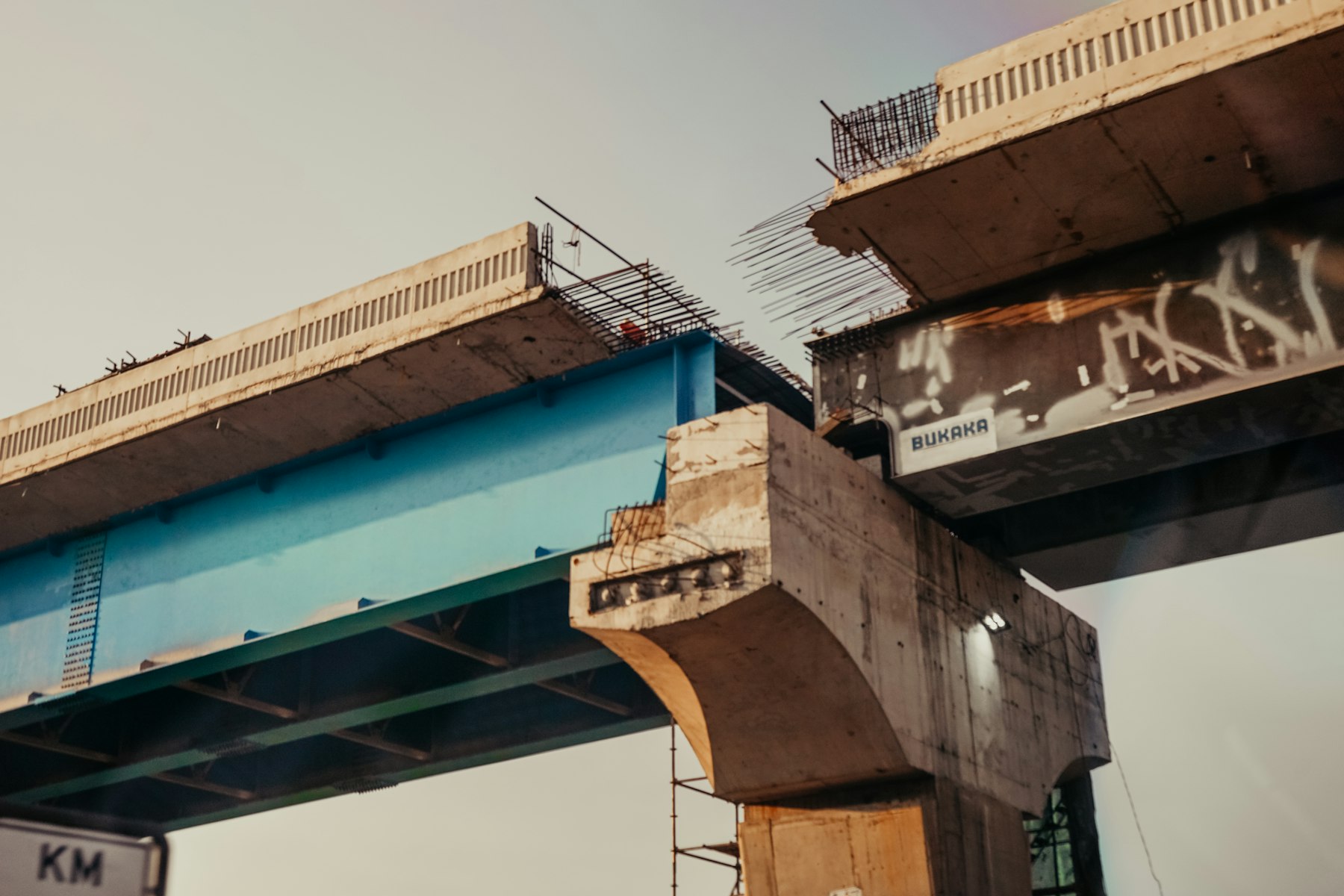
The middle of a barrier is rarely the problem. It is the beginning and the end: a shortened length that cannot decelerate in time, a terminal that is missing or one that faces the traffic. The same goes for the space behind — a device installed tight against what it protects cannot move as it is supposed to, and then the energy is absorbed by something else.
Common questions
- We hire the barriers. Does the responsibility sit with the hire company?
- No. The hire company is responsible for the product and its instructions; you are responsible for the selection, the installation and the checks on your particular site. Ask for the instruction and the declaration of performance on delivery, because those are the documents the installation has to follow.
- What do we do if a barrier is hit?
- Treat it as out of function until somebody has assessed it. An impacted device may have deformed or shifted in a way that is invisible from the carriageway, and it should be assessed by whoever holds responsibility for the safety barriers.
- Is 2.3 the same thing as 2.2?
- No. 2.2 covers road signs and traffic devices — what tells the traffic what is happening. 2.3 covers the physical protection that receives a vehicle arriving anyway. Two roles, often two people, sometimes the same one.
Have the responsibility in place before the barriers arrive
The course prepares you for the certification exam at Trafikverket. Book the exam slot in good time, so the role is filled before the first device goes up.
See the courses