- 1.1–1.4
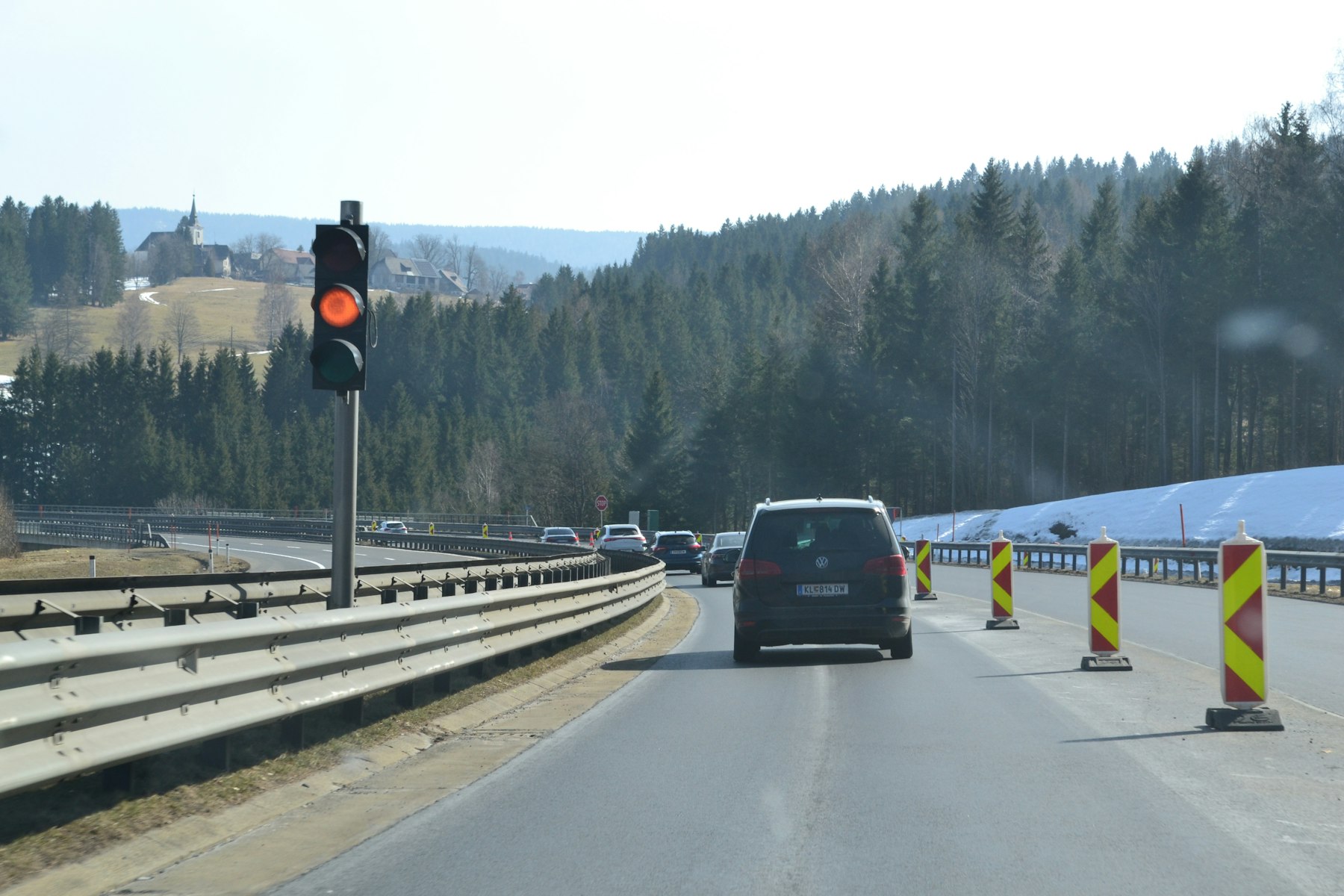
- Step 1: the general level and the tasks performed on the road
- 2.1–2.3
- Step 2: the roles carrying named responsibility
- 3.0
- Step 3: whoever directs and manages the contract
It is easy to assume the levels are a scale of difficulty, but they describe what a person does. A higher number means different responsibility, not more of the same. So a high level does not automatically contain the lower ones: whoever leads a contract without going out on the road needs 3.0 but not necessarily the levels below, while a signing supervisor who stands inside the closure needs both.
The three steps
Step 1 — on the road
The general level required of everyone on site, plus the three extensions for whoever drives a vehicle, performs the road work itself, or directs traffic by hand.
Step 2 — named responsibility
Three roles somebody has to be appointed to: the driver of the TMA vehicle, the signing supervisor, and the person responsible for the safety barriers. All three require a passed certification exam at Trafikverket.
Step 3 — direct and manage
Whoever leads a contract governed by the framework: project managers, construction managers, contract engineers and client representatives. That level also ends in an exam at Trafikverket.
The eight levels, one sentence each
- 1.1 General competence — everyone working on or beside a road works site, visitors and consultants included.
- 1.2 Vehicle drivers — whoever drives a vehicle within or through the site.
- 1.3 Road workers — whoever performs the road work itself and handles the signing on site.
- 1.4 Marshals, pilots and flaggers — directing traffic by hand, a task of its own with rules of its own.
- 2.1 TMA vehicle drivers — road maintenance vehicles with an energy-absorbing attenuator.
- 2.2 Signing supervisor — answers for road signs and traffic devices on the site.
- 2.3 Responsible for safety barriers — selecting, installing and checking barriers and attenuators.
- 3.0 Direct and manage — leading a contract governed by the framework.
Four levels require an exam at Trafikverket
For 2.1, 2.2, 2.3 and 3.0 a passed certification exam at Trafikverket is required before the competence requirement is met. The course is the preparation for that exam — the substance of it — but the exam is taken and booked at Trafikverket. Allow for that time in the planning, because it is the part that tends to be missing the week before the start.
The levels add up — a higher one does not replace a lower one
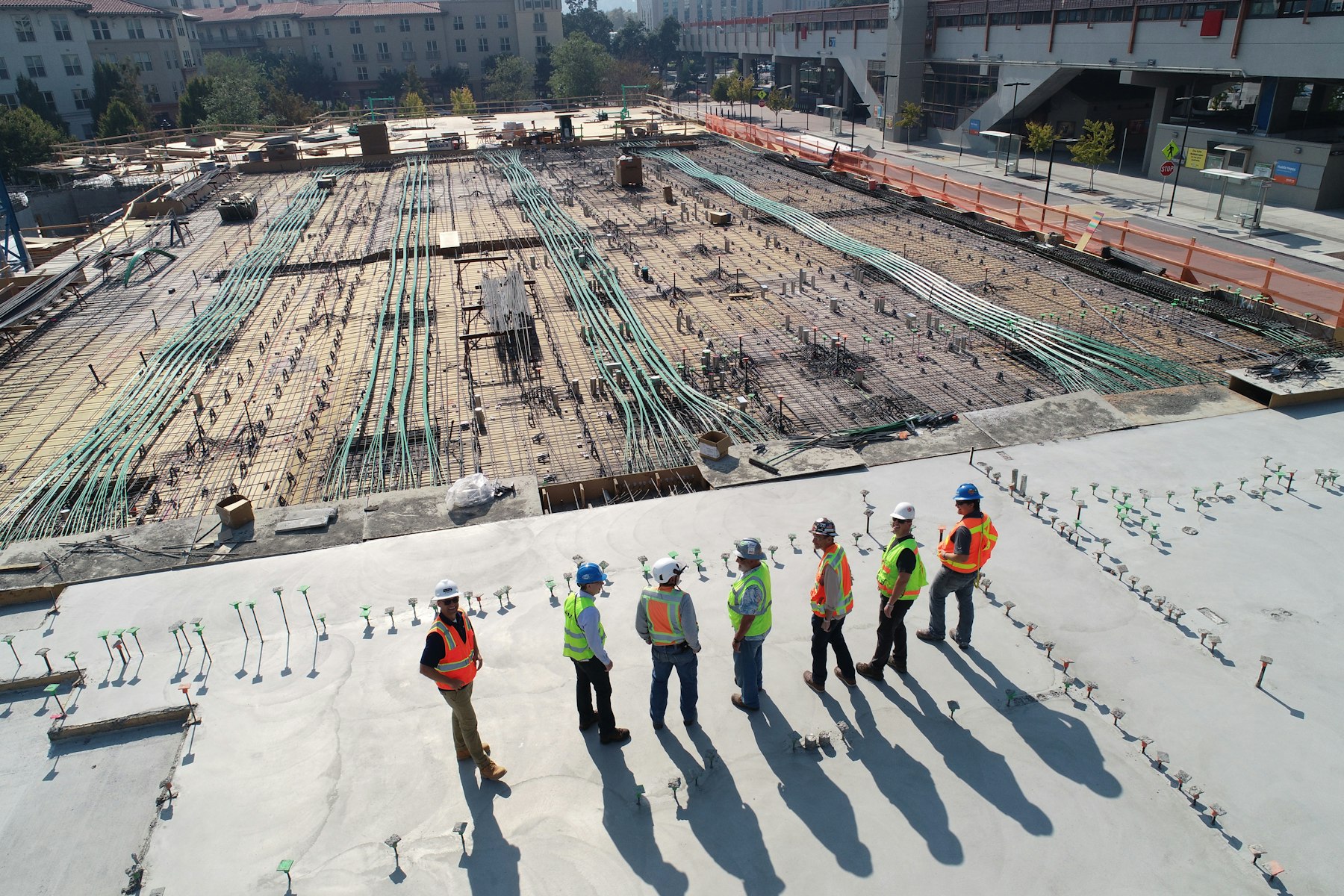
This is often misunderstood, and it costs a person on site. A marshal holding 1.4 but not 1.1 does not meet the requirement, because the extension presumes the general level is already there. The same applies to somebody holding 2.2 who never took anything in step 1 and still moves inside the closure. Read the rows as a sum, not as a ranking.

The course is registered in ID06
We are an accredited competence registrar in ID06 Kompetensdatabas. A course ordered from us is registered there at no extra cost and linked to the participant's ID06 card. It can then be checked against the card on site, for a subcontractor's crew as well, without anyone having to collect the certificates first.
Common questions
- Does the requirement apply to someone who is only there for an hour?
- Yes. The general level applies to work on or beside the road, not to a duration. It is the most common gap: whoever comes out to measure, deliver or look at something rarely thinks of themselves as a road worker.
- What about subcontractors and visitors?
- The same. The requirement follows the work and the person, not the employment. In practice it is the main contractor who gets the question from the client and therefore needs the subcontractors' records in their own summary.
- How long does a level last?
- It has a period of validity and needs renewing. The date is on the participant's own certificate. Go through the list ahead of the season rather than the week before you go out, so anyone whose certificate has expired has time to retake the course.
- Are there packages covering several levels?
- Yes, several of the courses combine the levels that tend to be needed together — the whole of step 1, or step 1 plus one of the responsible roles. Each course states which levels it contains.
Not sure which level you need?
Describe what the people in the crew actually do on site, and we will tell you which levels that corresponds to.
Contact us