- Seconds
- How long a collapse takes from the first movement
- Soil type
- What decides the slope, not the depth alone
- Before digging
- The assessment is made before the bucket goes down
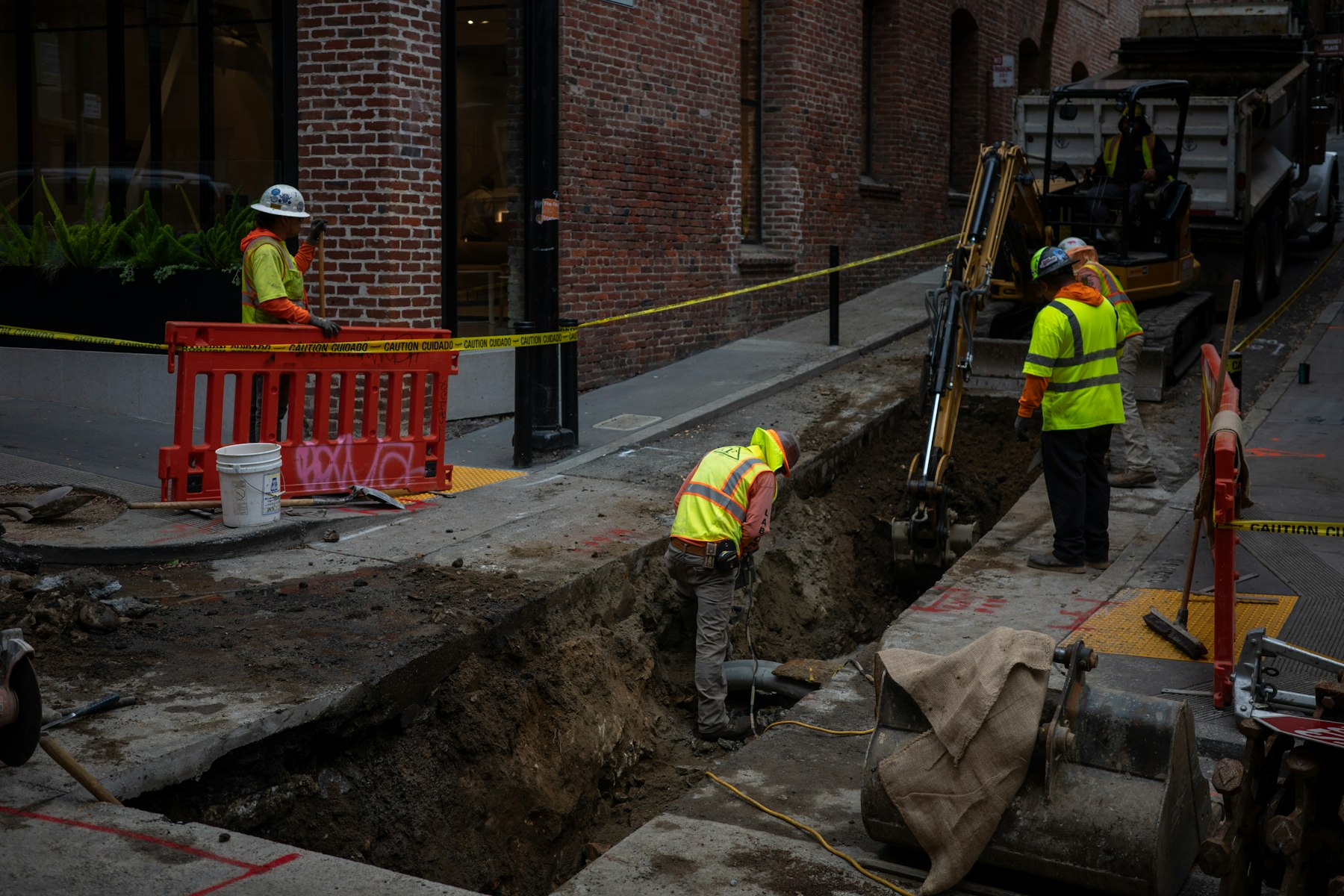
Excavation work is often done by routine, and it is the operation least able to take it. The material in an excavation wall weighs more than people think, it moves without a sound, and it lands on whoever is at the bottom. Assessing an excavation is a technical question with an answer, and the answer depends on the soil, the water and what stands above the edge.
What the course goes through
- The collapse risks and the actual reasons excavations fail.
- The properties of different soils and the effect of groundwater on stability.
- Choosing a slope angle or a support structure from the geotechnical conditions.
- Safe access routes, barriers, and where spoil and machines may stand.
- Planning and directing the excavation work, and when a geotechnical assessment is needed.
Keep spoil and machines away from the edge
The most common aggravating factor is not the soil but what has been put on top of it. Excavated material too close to the edge, a machine digging from the same side, a road passing a few metres away and shaking. An excavation's stability is determined by everything within a distance of the edge that is greater than most people think, and that distance is part of the assessment.
Common questions
- We never dig deeper than a metre and a half. Is it still needed?
- Yes. Depth alone does not determine the risk — the soil, the water and the load at the edge do. Collapses in shallow excavations are common, and material reaching chest height is enough to stop somebody getting out on their own.
- Who on site needs it?
- Those who plan, direct or perform the excavation work: site managers, supervisors, machine operators, civil workers and safety representatives — and the designers and construction environment coordinators who have to assess what has been drawn.
- Does the course replace a geotechnical investigation?
- No. It gives you the ability to tell when an investigation is needed and to read it when it exists. That judgement is what is missing when an excavation gets dug on instinct.
Train the whole excavation crew
Whoever digs, whoever directs and whoever drew it — the assessment needs to be the same in all three.
See the courses